
Xiaomi Pad 7 vs OnePlus Pad Go 2 – Which Tablet Is Better?

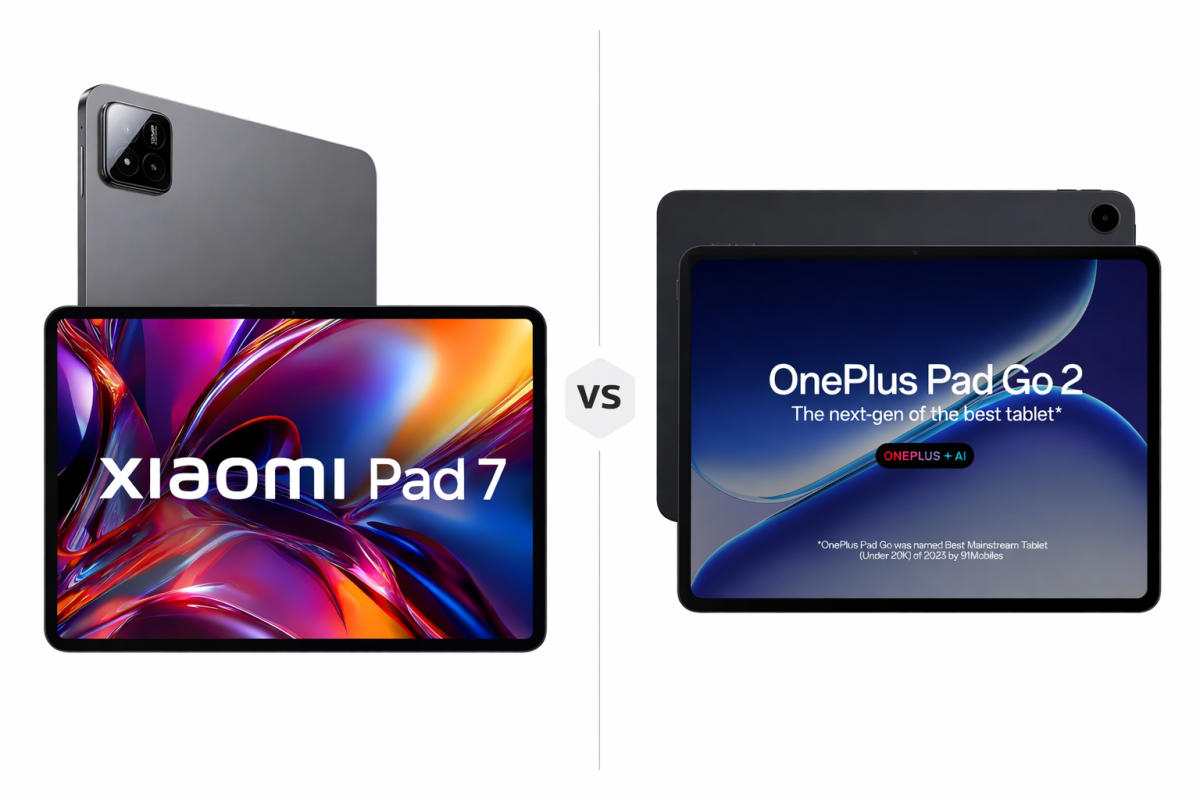
I’ll be honest — choosing between these two isn’t as simple as picking the one with bigger numbers on paper. I went back and forth more than once while looking at both. They’re not competing in the same exact vibe, even though the price range overlaps.
One feels sharper and slightly more enthusiast-friendly. The other feels relaxed, bigger, and built for long sessions.
And yeah, that matters.
Display: sharp vs comfortable
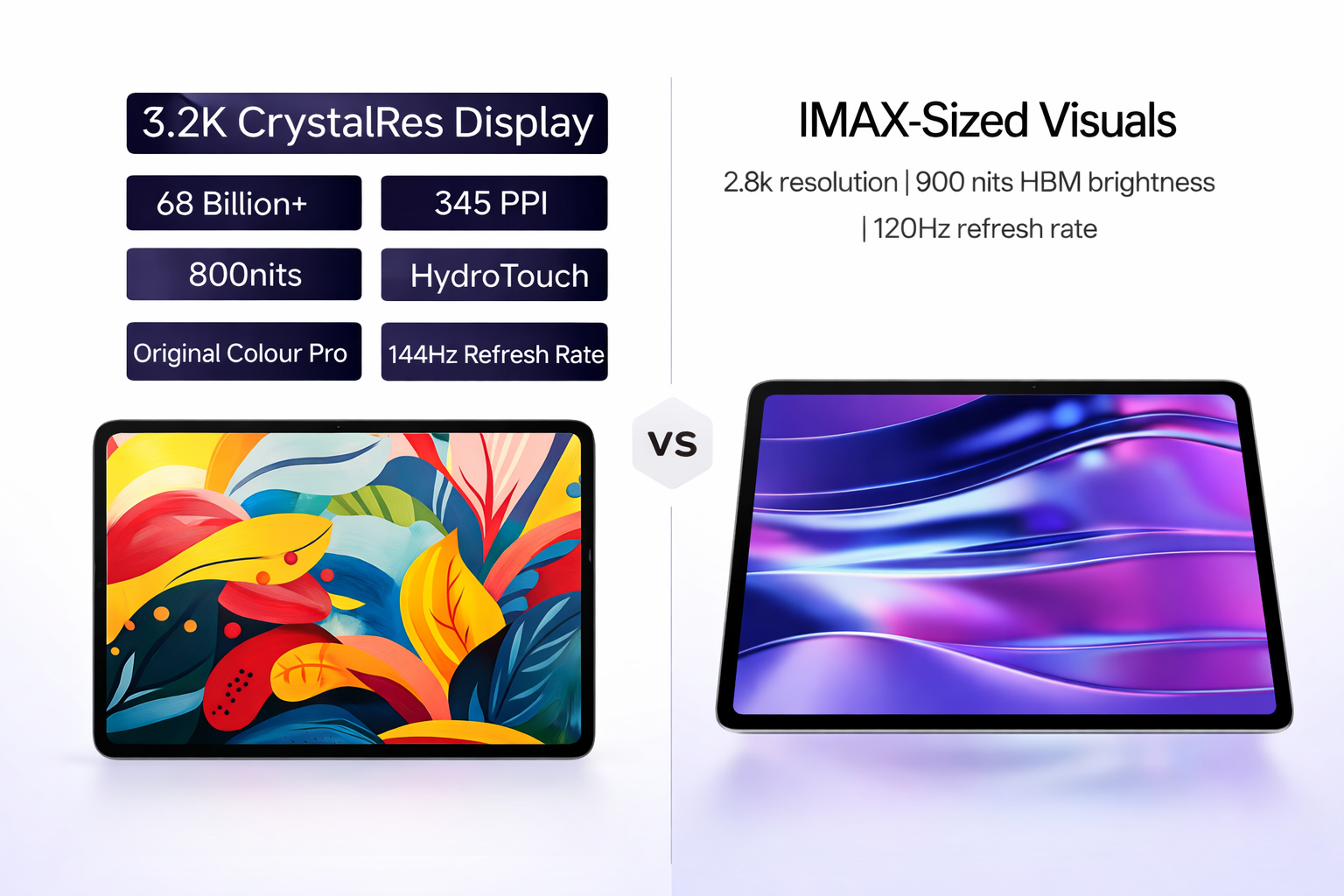
The Xiaomi Pad 7 display looks seriously crisp. That 3.2K resolution paired with the nano texture coating actually makes a difference. Text feels cleaner, reflections are lower, and long reading sessions are easier on the eyes. I didn’t expect to notice the nano texture this much, but once you do, it’s hard to ignore.
The OnePlus Pad Go 2 goes bigger. The 12.1-inch panel with a 120Hz refresh rate feels more cinematic. Scrolling feels smooth and watching videos is genuinely enjoyable. Brightness is solid too, especially if streaming is your main thing.
Pure sharpness? Xiaomi wins. For casual viewing and binge sessions, OnePlus feels more laid-back.
Performance: this part surprised me
This is where Xiaomi Pad 7 quietly pulls ahead. The Snapdragon 7+ Gen 3 feels snappy. Apps open quickly, multitasking doesn’t feel heavy, and even light gaming stays stable. It’s not a gaming tablet, but it doesn’t feel weak either.
The OnePlus Pad Go 2 isn’t slow by any means, but it’s clearly tuned for efficiency. Daily stuff like browsing, streaming, notes, and documents works smoothly. Push it harder though, and you’ll notice the difference.
I wouldn’t call OnePlus slow. I would say Xiaomi feels more confident when things get busy.
Battery life: size helps here
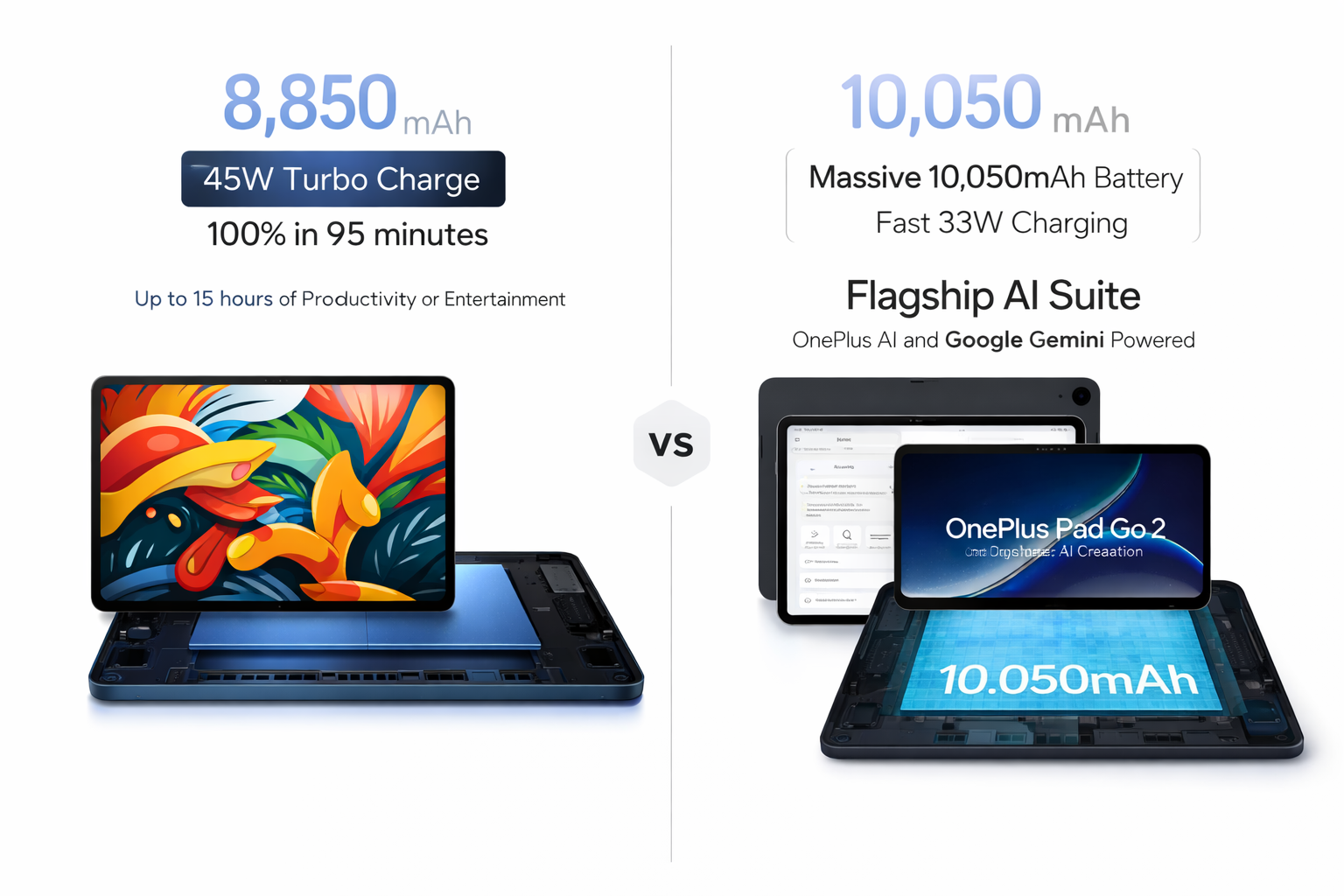
The larger body of the OnePlus Pad Go 2 pays off when it comes to battery. That big battery easily lasts a full day and then some. Long video sessions don’t cause any stress, and charging speeds are decent too.
The Xiaomi Pad 7 delivers good battery life, but it’s not the highlight of the tablet. Fast charging helps balance things out, though.
If battery anxiety is a concern, OnePlus feels like the safer bet.
Sound and media experience
This one leans toward OnePlus.
The quad-speaker setup sounds fuller and more immersive. Watching movies or shows without headphones feels nicer. Xiaomi’s speakers are fine, but they don’t pull you in the same way.
If media consumption is your priority, you’ll probably notice this difference quickly.
Software feel (very subjective)
This part depends heavily on taste.
Xiaomi’s tablet UI feels powerful but slightly busy. There are lots of features and settings, which some people love. Others might find it a bit much.
OnePlus keeps things cleaner. OxygenOS on a tablet feels calm and distraction-free. Multitasking works smoothly without feeling overwhelming.
Neither approach is wrong. They just suit different personalities.
Build and everyday comfort
The Xiaomi Pad 7 feels compact and premium. It’s easier to hold for reading or desk-based use.
The OnePlus Pad Go 2 feels more like a couch tablet. Bigger, wider, and better suited for relaxed usage.
I liked Xiaomi more at a desk. OnePlus felt better on the sofa.
Who should lean toward which one?
If you care about display sharpness, performance headroom, and a compact feel, Xiaomi Pad 7 makes more sense.
If you want a bigger screen, longer battery life, and better speakers, OnePlus Pad Go 2 feels easier to live with.
Honestly, I changed my mind more than once while writing this. Some days I’d pick Xiaomi. Some days OnePlus just feels simpler.
If you’re still confused, checking the individual product pages helps:
Sometimes specs don’t decide. Your usage does.